How to Know When It's Time for a Roof Replacement
Unsure if your roof has reached the end of its service life or just needs a quick fix? In Orange County's sun, salt air, and seasonal Santa Ana winds, roofs age differently than in other parts of the country. If you're seeing warning signs, it may be time to schedule a professional inspection or consider a thoughtful roof replacement.
This guide breaks down the most common clues homeowners in Anaheim, Irvine, Santa Ana, Huntington Beach, and nearby communities notice before a full replacement becomes the smartest choice. You'll learn what to look for outdoors and inside, why timing matters in our local climate, and how a trusted roofing company helps you plan the next steps with confidence.
Why Timing Matters In Orange County's Climate
Orange County's weather is kind to outdoor living yet tough on roofing systems. Long stretches of bright sun can dry out shingles and fade tile finishes, while salty marine air along Newport Beach and Laguna Beach adds corrosion risk to metal flashings and fasteners. Inland heat in places like Fullerton, Yorba Linda, and Mission Viejo accelerates wear on sealants and underlayment.
Winter storms occasionally bring wind-driven rain. When that rain hits after months of dry conditions, small weaknesses can quickly become leaks. Add seasonal Santa Ana winds that push debris across rooftops, and you have a mix that punishes older materials and exposes earlier patch jobs. Replacing at the right time protects your home's structure, keeps interiors dry, and helps maintain curb appeal when it matters most.
Sun And Salt Air
Ultraviolet exposure makes shingles brittle and can cause surface granules to loosen. Near the coast, salt increases oxidation on vents and flashing. These combined forces shorten the lifespan of materials that looked fine just a few seasons ago.
Wind-Driven Rains And Debris
High winds lift edges, loosen nails, and drive water into joints. Debris like palm fronds or branches abrades surfaces and blocks valleys, increasing the chance of overflow into vulnerable areas during a downpour.
Clear Signs Outside That Point To Replacement
Walk your property and look up from the ground after storms or during routine yard work. You're watching for patterns, not just a single blemish. If several of these appear together, a replacement could be the most reliable fix.
- Widespread curling, cupping, or cracked shingles across multiple slopes.
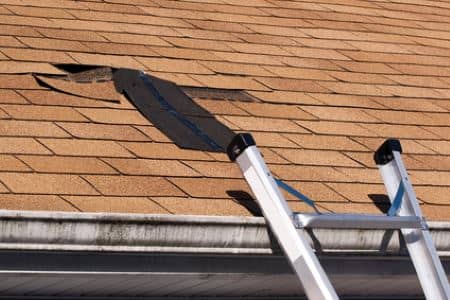
- Missing shingles or broken tiles you can spot from the driveway.
- Heavy granules in gutters or at downspout exits after rain.
- Rusting, bent, or loose metal flashing at chimneys, skylights, or sidewalls.
- Uneven or sagging ridge lines that suggest decking concerns.
Isolated issues can sometimes be repaired, but repeated trouble in more than one area often points to system-wide aging. Don't ignore ceiling stains after a storm; they rarely fix themselves. Small leaks tend to spread, especially when underlayment has grown brittle or perforated over time.
Clues Inside Your Home You Can Notice Safely
The attic and upper ceilings tell the story of what rain and heat are doing above. You don't need to climb the roof to spot these red flags. Turn on a flashlight, stay on stable flooring, and observe.
- Dark rings or soft drywall patches on second-floor ceilings or around skylight wells.
- Musty smells in the attic after rain, which suggest trapped moisture.
- Daylight showing through around vents or at the roof deck joints.
- Damp insulation that clumps or mats down, reducing energy performance.
These indoor signs often appear before outdoor damage becomes obvious. They can also signal trouble with ventilation. When hot air can't escape, materials age faster and leaks worsen under pressure. Never walk a steep or wet roof to investigate; keep your footing safe and call a pro instead.
When Repairs Stop Making Sense
Repairs are helpful for new or midlife roofs with localized problems. But when you've patched the same plane more than once, or when materials are nearing their typical lifespan, a replacement is usually the smarter investment. In Orange County, many homes have concrete or clay tile. While the tiles themselves may last a long time, the underlayment beneath them can age sooner, leading to leaks that repairs struggle to solve.
Asphalt shingles also have a practical lifespan that varies by product, ventilation, and exposure. Replacing at the right point reduces the cycle of repeat service calls and protects interior finishes. It also allows you to upgrade flashing details, ventilation components, and water-shedding layers as one integrated system. Frequent spot fixes on an aging roof can mask deeper issues and cost more time in the long run.
How Pros Decide it's Time to Replace
A licensed team starts with a methodical inspection. They check the field of the roof, edges, and penetrations, then evaluate the attic for moisture and airflow. The goal is to understand the system as a whole, not just the surface. A quality roofing company documents findings with photos so you can clearly see what they see.
What An Inspection Covers
Expect your contractor to review shingles or tiles, flashing, fasteners, valleys, and ridge components. They'll look for soft decking, verify the condition of underlayment, and confirm proper intake and exhaust ventilation. They may also note how nearby trees, pool chemicals, or ocean exposure are affecting the roof's surface, so you can plan maintenance after the new installation.
Ventilation and Energy Considerations
Good airflow helps roofs last longer by releasing heat and moisture. In hot inland pockets like Tustin and Orange, balanced ventilation supports indoor comfort and helps protect your attic insulation. During replacement, pros can fine-tune intake at the eaves and exhaust at the ridge to match your home's layout and local conditions.
Local Factors that Push A Roof Over the Line
Every neighborhood has its own roofing quirks. In coastal areas like Dana Point and San Clemente, salty air and steady sun age coatings faster. In the tree-lined streets of Lake Forest or Aliso Viejo, debris builds up in valleys and behind chimneys, trapping moisture. Mission Viejo and Yorba Linda see larger day-to-night temperature swings that expand and contract materials more often.
Homes with complex rooflines, multiple skylights, or intersecting valleys have more places for water to test seams. If your home has an older skylight or metal chimney cap, those components may drive the decision to replace sooner, so details can be upgraded together for a better seal.
The Material Conversation: Matching Style and Performance
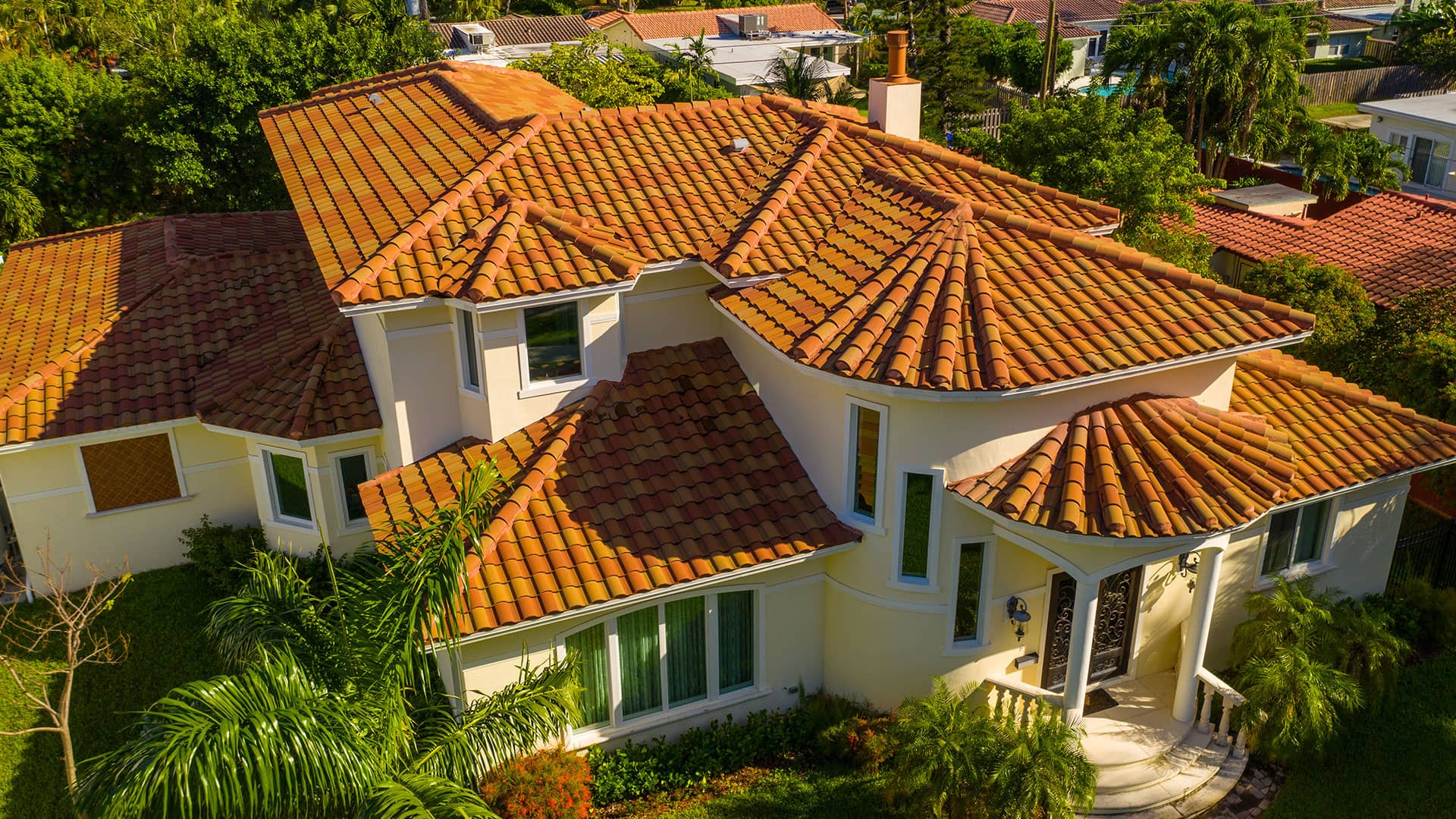
Replacement is a chance to align looks, longevity, and maintenance. Many Orange County homes use architectural shingles for a balanced mix of durability and style. Tile is popular too and pairs well with Spanish or Mediterranean designs. Your contractor can discuss options that suit neighborhood aesthetics and typical wind ratings. They'll also talk about how color and reflectivity influence heat gain, which matters on sunnier slopes.
If your home sits near the coast, corrosion-resistant flashing and fasteners are worth the upgrade. If you're in an inland area under heavy sun, products with strong UV stability and good ventilation layouts help the system last longer. Together with a trusted pro, you'll build a plan that reflects how your home actually faces the elements, not just what looks good in a brochure.
How To Prioritize Your Decision
Not every symptom demands immediate replacement, but several happening together usually do. Use this quick priority guide as you review what you've seen:
- Multiple slopes showing wear, missing pieces, or consistent leaks across seasons point to system age.
- Attic moisture or daylight, plus brittle underlayment or failing flashing, suggests replacement is near.
- Repeat repairs that hold only through the next storm are a strong signal to stop patching.
When in doubt, ask for a photo-rich inspection and a clear explanation of root causes. Pictures of your roof and attic, plus notes on ventilation and flashing, make the decision easier to trust. Document any interior stains with dates and quick photos so your contractor can map them to the roof areas during the visit.
What the Process Looks Like
Most replacements follow a straightforward path. First, your contractor protects landscaping and walkways, then removes old materials and inspects decking. Any compromised wood gets replaced before new underlayment and flashing go on. Finally, the new roof is installed and sealed, followed by a careful cleanup and final walkthrough.
Timing varies by home size, roof complexity, and weather. During rainy stretches, crews may schedule start dates around clear forecasts to protect open decking. In hotter months, early start times help manage heat and finish work safely. Communication is key; a well-organized team keeps you updated each step of the way.
Common Questions Homeowners Ask Themselves
"Can I wait one more season?"
Sometimes, yes, if issues are isolated and materials still have life left. But when leaks are spreading or the system is aging in multiple areas, delaying can risk drywall, insulation, and even interior flooring. An expert evaluation helps draw that line with confidence.
"Will a new roof help with comfort?"
Often it does. Fresh underlayment, tuned ventilation, and reflective material choices can support steadier indoor temperatures. You'll reduce drafts and moisture risks while refreshing curb appeal in neighborhoods from Costa Mesa to Garden Grove.
Plan Your Next Steps With A Trusted Team
If several of the signs above match what you're seeing, it's smart to call a pro for a thorough assessment and clear plan. When you reach out to DP ROOFING & PAINTING INC, you'll get a simple, photo-documented report and straightforward recommendations tailored to your home's layout and location.
For long-term peace of mind, partner with a reliable roofing company in orange county guidance that treats your roof as a complete system, not a set of isolated parts. That approach helps protect your investment through sun, wind, and the next storm season. Ready to protect your home with the right solution for Orange County's climate? Call DP ROOFING & PAINTING INC at 949-875-8188 to schedule your roof evaluation today.
Why Choose Us?
4 Decades of Hands-On Experience
With decades of combined hands-on experience, our team brings a level of knowledge that only comes from years in the field. We've worked on a wide range of residential roofing and exterior painting projects, giving us the ability to quickly identify issues and recommend practical solutions. This experience allows us to work efficiently without sacrificing attention to detail. When you hire DP ROOFING & PAINTING INC, you're working with professionals who understand what it takes to get the job done right the first time.
Quality Results
Quality is at the core of everything we do, from surface preparation to final inspection. We don't rush through projects or cut corners just to move on to the next job. Instead, we focus on delivering clean, durable results that hold up over time, especially in demanding coastal environments like Newport Beach. By using proven materials and careful application methods, we make sure your roof or exterior paint performs as it should. The end result is work that looks sharp and lasts longer.
Customer Satisfaction
Customer satisfaction isn't just a goal for us, it's how we measure success on every project. We keep communication clear and consistent, so you always know what to expect throughout the process. Our team shows up on time, respects your property, and works with professionalism from start to finish. We also stand behind our work, making sure you're comfortable with the results before we consider the job complete. When our customers are happy, we know we've done our job right.